Biotherapy and Medical Care: How to Keep Your Healthcare Team Informed
A practical guide to discussing biotherapy alongside medical care: what to tell your clinician, seven questions to ask, consent, records and safety boundaries.
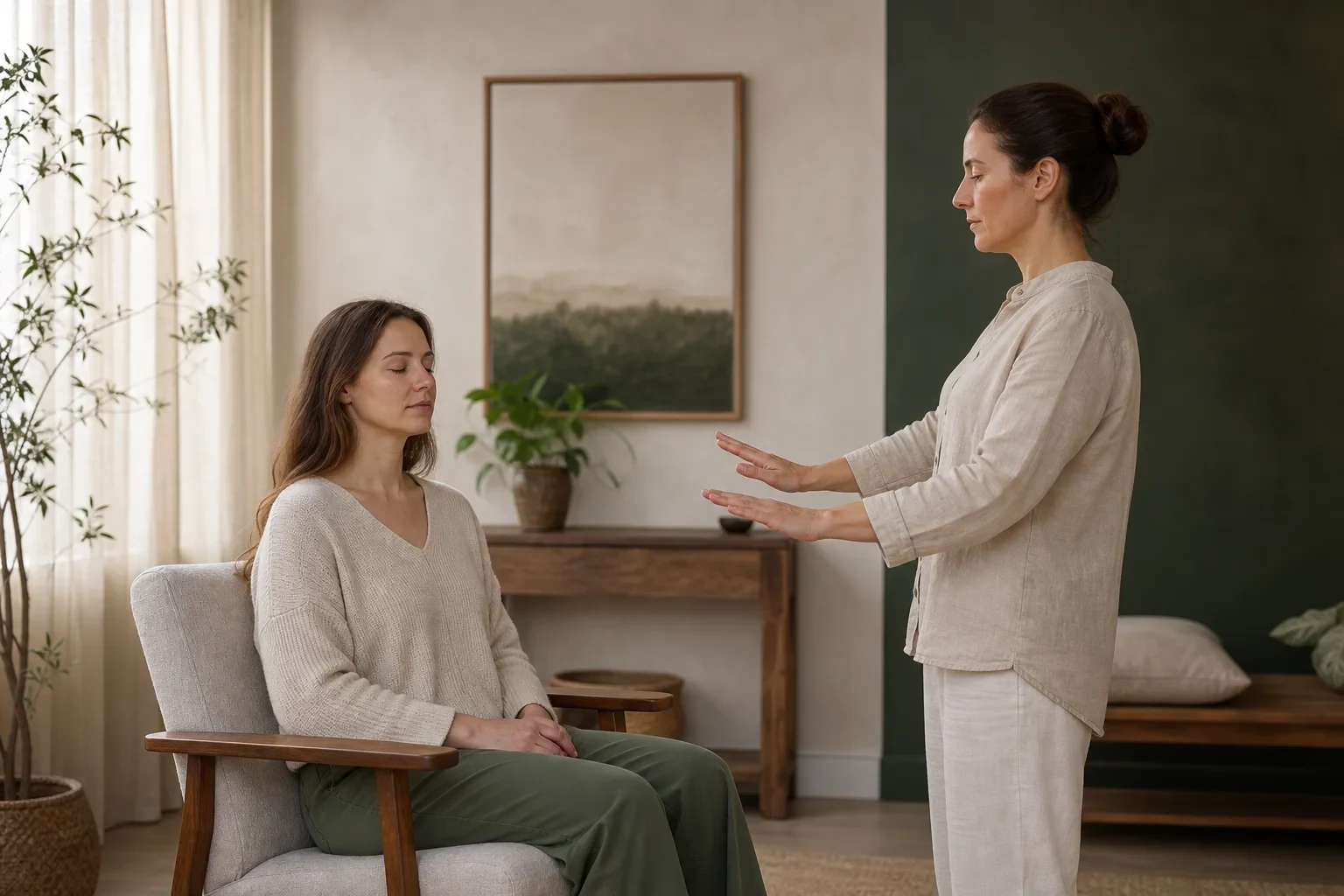
A person may be interested in biotherapy for personal wellbeing while also receiving care from a doctor, nurse, physiotherapist or another licensed healthcare professional. These activities should not exist in separate, hidden worlds. An open conversation helps everyone understand what you are doing and why.
The distinction matters: complementary care is used alongside established medical care; alternative care is used instead of it. The US National Center for Complementary and Integrative Health (NCCIH) cautions against replacing or delaying proven medical treatment with an approach that has not been shown to be safe and effective for the condition concerned.
This guide offers a practical communication checklist. It does not assume that biotherapy can diagnose a disease, measure clinical improvement or treat a medical condition.
Begin with an accurate description
When discussing biotherapy with a healthcare professional, describe what actually happens in the sessions. For example: "I have chosen an energy-wellness session that involves a practitioner working with their hands near my body" or "I am considering a remote, non-contact biotherapy session."
You do not need to convince your clinician of a particular explanation for the practice. It is more useful to be factual about what you are receiving, what you hope to gain from it and what other care you are using.
If a session also includes breathing exercises, relaxation, physical contact, herbal products, fasting or other activities, mention those separately. Different elements may have different evidence and safety considerations.
Tell your healthcare team what you use
NCCIH encourages people to tell all their healthcare providers about complementary approaches, prescription medicines, over-the-counter products, herbs and supplements. This gives professionals a more complete picture of someone's care and helps them identify potential interactions or other concerns.
Before your next appointment, you can write a short note containing:
- The name of the complementary practice and whether sessions are in person or remote.
- Whether it includes physical touch, supplements, exercise, dietary changes or other components.
- How often you attend and whether you have changed your usual routines.
- The health questions you are already discussing with medical professionals.
- Any symptoms, adverse reactions or practical concerns that should be evaluated medically.
You may prefer to keep personal details brief when booking a wellness session. That is reasonable. However, information important to medical safety should still be shared with the qualified professionals responsible for your healthcare.
Seven useful questions for a medical appointment
1. Is there a medical reason not to postpone an examination? Ask which symptoms or changes require timely assessment.
2. Could any additional activity create a risk? Mention breathing exercises, supplements, physical contact or other elements that might accompany your wellness routine.
3. Should my existing treatment plan stay unchanged? Do not stop prescribed medication, rehabilitation or a scheduled investigation solely because you have started biotherapy.
4. What outcomes should be assessed clinically? If you have a diagnosed condition, agree on appropriate follow-up with the healthcare professional who treats it.
5. Are there interactions I should know about? This is especially relevant if you use herbal products or dietary supplements alongside medicines.
6. When should I seek help instead of scheduling another wellness session? Agree on clear signs that require medical attention.
7. What records should I keep? A concise symptom and appointment diary can support an informed conversation.
Questions like these make the visit more useful without asking your clinician to endorse a practice whose specific benefits may not have been clinically established.
Questions to ask a biotherapy practitioner
A responsible practitioner should be able to explain the format of the session, their training, the fee, the expected duration and whether touch is involved. You can also ask about privacy, photographs, data retention and what to do if you prefer to stop.
It is reasonable to request clear boundaries: no diagnosis from an energy reading, no instruction to discontinue prescribed treatment, and no promise of curing a disease. A practitioner's personal experience or testimonials are not the same as controlled clinical evidence.
If you feel pressured to abandon medical care, buy repeated sessions to avoid a supposed emergency or keep the practice secret from your doctor, treat that as a reason to reconsider the service.
Keep a simple, balanced follow-up diary
You can record everyday experiences without presenting them as a medical test. A short journal might include the session date, how you slept, your perceived stress, activity level and any major changes in routine.
Record important medical symptoms accurately, but avoid attributing improvements or deterioration to a single session based only on timing. Symptoms often vary for many reasons. For a health condition, the relevant clinician should decide which validated measurements or examinations matter.
A practical diary has three columns: date, what happened, and what question to raise at the next appointment. It need not become a daily scoring system or a claim of measurable energy changes.
If you are considering a remote session
For a remote session, clarify in advance how the practitioner communicates, whether you need to be available at a specified time and what personal information or photographs are requested. Obtain an explanation of how those materials will be used and stored.
You may also find our remote biotherapy session preparation guide helpful for planning a comfortable setting and reviewing consent. If you prefer to learn about the practice before arranging anything, visit the therapy information page.
A clear rule to remember
You can explore personal wellness practices while keeping medical care central. Be open with the professionals who know your medical history, ask for evidence rather than guarantees, and seek appropriate assessment when you have symptoms or concerns.
Biotherapy on this website is described as a complementary wellness practice. Its interpretive framework should not be confused with established diagnostic measurements, and participation must not delay or replace evidence-based medical treatment.
*Editorial review date: 29 October 2026. This article provides general educational information, not an individual treatment recommendation.*
Biotherapy is complementary support. It does not diagnose illness and does not replace medical advice, medication, examinations or emergency care.
Sources
- 4 Tips: Start Talking With Your Health Care Providers About Complementary Health Approaches
- Are You Considering a Complementary Health Approach?
- Complementary and Alternative Medicine (CAM) for Patients